.png)



What Commodities Trading Means for Investors
For a long time, trading commodities has played a key role in the global financial system. Commodities trading gives an investor some protection against inflation and improves the balance of their portfolio. Unlike buying stocks, when you trade commodities, you are investing in goods like oil & gas, gold, silver, or products from the farm. Many experienced traders and beginners often wonder what commodities trading represents for investors. As soon as they grasp what traders and investors need, they can focus on how trading can lead to profit, yet also protect them from risks.
The blog will give a general overview of commodities trading, discuss the basics, mention common types of commodities markets, and describe usual ways that an investor can join gold trading and the spot metals market.
What is Commodities Trading?
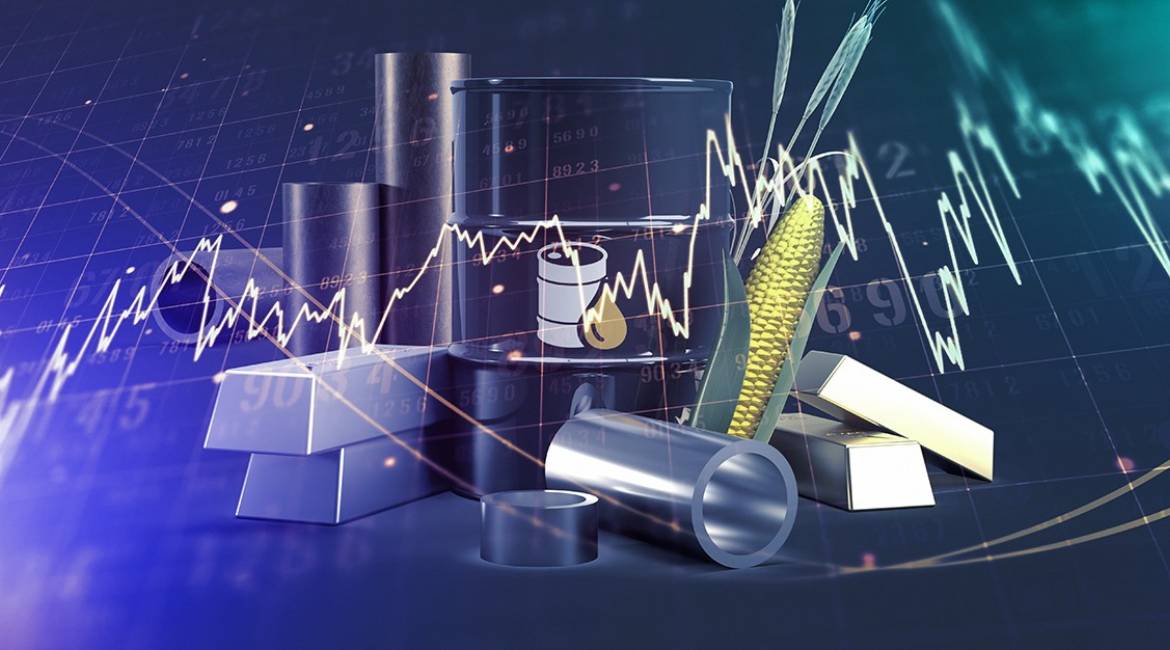
Trading commodities means trading raw materials or primary products such as oil, gold, wheat, or natural gas. These resources are extremely important for the world economy and are used in various industries and are consumed in their daily meals. Commodities are unique because they are real, unlike stocks and bonds. Commodities offer investors a direct hedging opportunity against inflation, provide investment diversification, and enable investors to capitalize on the global interplay of supply and demand.
The commodity marketplace is classified into hard and soft commodities. Hard commodities are natural resources. Specifically, metal commodities (gold, silver, and copper) and energy commodities (crude oil and natural gas). Soft commodities are agricultural commodities like wool, coffee, sugar, and corn. Individuals can trade on spot markets and take possession of the commodities (goods) immediately or settle on future contracts for future delivery.
Commodities Trading Basics
Before jumping into commodities markets, understanding the core concepts is crucial:
01. Futures Contracts
Most commodities are traded by way of a futures contract. A futures contract obligates you to buy or sell a fixed quantity of a commodity at an agreed-upon price on a certain date in the future. Through futures contracting, investors seek to profit from price changes without ever taking delivery of the actual commodity.
02. Spot Trading
This involves trading commodities and simultaneously affecting the transfer of ownership. Spot energies would be real-time energy prices, and spot metals would mean metals are traded during working hours, depending on the cut-off price.
03. Derivatives and ETFs
ETFs or commodity derivatives provide exposure to commodities without requiring investors to deal with futures themselves. A great hands-off approach for retail investors interested in investing in commodities.
04. Leverage and Margin
Most brokers can offer you leverage, so you can control a large position with a small amount of capital. Leverage can work for you! It can also work against you! Your profits can be enormous.
Why Commodities Trading for Investors Makes Sense
01. Diversification
Diversification is one of the biggest incentives for choosing the commodities market. Many times, commodities behave differently from stocks and bonds. Prices for gold and oil normally increase when other investment markets decrease because of high inflation or a slowing economy.
02. Hedge Against Inflation
In situations of inflation, commodities such as energy and precious metals usually either keep their worth or grow in value. For this reason, they are an ideal way to guard against lower spending power with regular money.
03. High Liquidity and Global Demand
Products such as oil and gold are always needed by companies. Since stocks are bought and sold by many investors, they can be easily bought and sold by individuals.
How to Invest in Commodities: A Beginner’s Guide
Want to find out how to put your money into commodities? It is possible to start in several ways, all having their amounts of risks and ways to join. Listed below are the most popular ways to transfer money:
01. Futures Contracts
A commodity can be agreed upon to be bought or sold at an agreed price on a certain date, which is called a futures agreement. It happens most often in spot metals like gold and silver, along with energy trading markets. Yet, trading in futures calls for monitoring market signs, since their prices are often volatile.
02. Exchange-Traded Funds (ETFs)
ETFs follow the trends of commodities or the movement of similar indices, so you can invest in them rather than in futures contracts. If you want to deal with gold and avoid buying physical gold, a gold ETF gives you that chance.
03. Commodity Stocks
You could also pick companies involved in mining metals or the oil and energy business. The price of these stocks is usually affected by the rise and fall of commodity values, but also by the company’s performance.
04. Physical Commodities
Several people decide to buy actual commodities, such as gold bars or silver coins. The method is for those who like physical assets and can handle storing and securing them.
05. Commodity Mutual Funds
Money is combined in mutual funds to invest in various commodities or similar items. Compared to futures, they are much safer and make a good starting point for everyone entering the commodities field.
As every method gives rise to pros and cons, it’s important to research and consider how much risk you can tolerate while making your choice.
Key Markets: Gold Trading, Spot Metals, and Spot Energies
• Gold Trading
Gold is one such commodity traded globally with such interest and vigour. It is normally considered a safe asset, rising in price in times of uncertainty in the market. Thus, a trader may trade gold through futures, ETFs, or direct spot trades.
• Spot Metals Trading
In this, metals like gold, silver, and platinum are transacted in real-time. Prices quickly respond to market news, and the segment is hence suited to short-term traders.
• Spot Energies Market
Bear in its crude oil and natural gas. This offers one of the highly volatile environment spots that may promise political events, weather changes, or such trends in global consumption.
The Role of Commodities in Modern Portfolios
Commodities function strategically to construct resilient portfolios. Institutional investors typically allocate anywhere from 5-10% of their portfolios in commodities to hedge or diversify assets. Retail investors are also beginning to see the reason to diversify into commodities, particularly during times of economic stress.
As environmental and energy concerns grow, commodities like lithium, natural gas, and rare earth metals are gaining prominence, reshaping the landscape of investing.
Risks to Consider in Commodities Trading
Even though trading commodities brings in rewards, investors encounter challenges along the way. Weather changes, politics, and changes in the economy can make prices change a lot. As an example, when there is a drought, farmers may raise their prices for crops, but if there is more oil than needed, energy markets often drop. Those new to futures trading should realize that strong leverage can speed up losses, so it is better to start with only a small investment. Since commodities do not offer dividends, their performance depends completely on the changes in their prices.
If you want to manage risks, own different types of commodities, and remain informed on current market developments, talk to some experts first.
Final Verdict
Commodities trading isn’t reserved only for expert traders; it can provide actual value for investors who want to add diversification, inflation protection, and global factors to their investing game plan. This market can have some thrilling opportunities when handled with care and knowledge, ranging from spot metals trading to trading precious metals like gold and much more! Commodities should have a place in your investment journey, whether you are taking your initial steps or adding a further layer to your strategy.
Are you ready to dive into the opportunities? Contact one of our specialists today so you can comfortably start on the right foot in commodities trading!
FAQs About Commodities Trading
Q1. What is commodities trading?
Commodities trading comprises the purchase and sale of raw materials like metals, energy, or agricultural products on exchanges. It can either be for immediate delivery (spot trading) or for future delivery (futures contracts).
Q2. How can beginners start investing in commodities?
The different routes for a beginner are learning commodities trading basics, selecting a market such as spot metals trading, and investing through ETFs or stocks. Plan a trading account through a broker and start small with investments.
Q3. Is gold trading a safe investment?
Gold trading is often considered a safe-haven investment during times of economic instability, but it is not without risk. The prices change, while returns depend on the condition of the market; thus, diversification helps mitigate risk.
Q4. Why should I consider commodities in my investment portfolio?
Commodities provide diversification, protect against inflation, and offer a play on global trends. They tend to move independently of stocks and bonds, which helps balance portfolio performance.
Q5. What is the difference between spot trading and futures trading in commodities?
Spot trading involves the immediate purchase or sale of a commodity, whereas futures trading involves buying/selling under a contract binding the transaction to a future date. The spot market may be considered more straightforward; futures are best suited for the more experienced.
Q6. Which is the safest commodity to invest in?
Gold is generally considered the safest, given it retains its value throughout history and more so in uncertain markets. However, each commodity is subject to its risk-return profile.


고객 자금 보호:



감사 기관:

보안 인증:

고지사항
Disclaimer : The information in this content is not intended to be provided to residents of the USA, Iran, Russia, Myanmar, Canada, Haiti, Suriname, North Korea, Puerto Rico and is not intended to be distributed or used by anyone in any country or jurisdiction area, as in the country or jurisdiction.
Risk Warning: Trading Forex and Financial Instruments involve a high level of risk and may not be suitable for all investors. The high degree of leverage can be either for or against you. Before deciding to invest, carefully consider your investment objectives and risk appetite. You should be aware of the risks associated with financial markets.
Intellectual Property Rights: Unauthorized duplication, publication, or quotation from CapitalXtend's website, in part or whole, without written consent, constitutes a violation of Intellectual Property Rights. Such actions, including downloading or accessing brand elements, will be litigated as infringement.
CapitalXtend는 차세대 핀테크 혁신을 선도하는 글로벌 기업 XGroup의 주요 계열사입니다.
© 2021 - 2026 CapitalXtend.com - 모든 권리 보유.